
Last Updated:
January 9, 2026
Brown patches plaguing your lawn can be the most frustrating part of spring and summer. Many people are often unaware of the source of damage to their lawn and do not know how to treat the areas in need. The signs of grub damage are often confused with other harmful factors that can affect your turf, such as lawn diseases, drought stress, compaction, and more. In order to properly treat and remove a grub population from your lawn, you must first know how to identify a grub infestation.

Detecting lawn grubs can be as easy as pouring soapy water over the infected area and waiting to see the grubs rise to the surface. Other easy methods of identification include simply raking over the damaged area or getting on your hands and knees to look.
There are certain lawn grubs and other insects that are common in Utah and the Salt Lake area. Lawn grubs are the larvae of scarab beetles that dwell under the soil surface, which is where they do most of the damage to your lawn. Certain beetle species are more common in Utah than others, such as June beetles or Japanese beetles, and the presence of these beetles in your yard means a higher likelihood of grubs dwelling underneath the surface of your lawn. Moths constantly hovering above your lawn could also indicate a grub population, as certain types of grubs/insects mature and turn into moths in the adult stages of their life cycles.
Grubs are commonly defined as white, C-shaped larvae that have small, soft bodies and live within the soil. The adult beetles they will become, as well as other types of lawn pests, can also cause damage and make it difficult to maintain healthy turf. Our grub control program will work to eradicate the larvae from beetles that mate and lay eggs, so you can rest assured knowing that Holmes Lawn & Pest will remove pests and prevent grubs from invading your yard. Below is a list of some insects and grubs commonly found in Utah and the damage each type can cause.
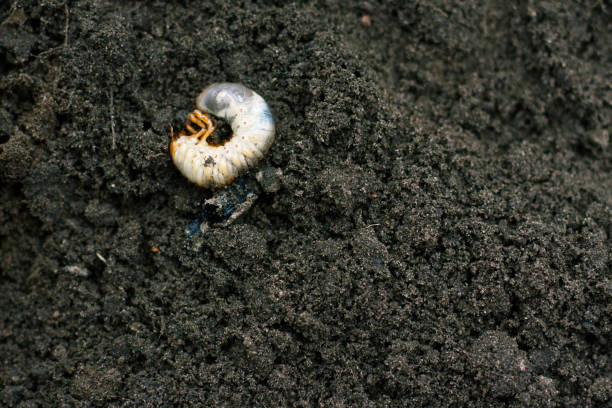
Scarab beetles mate and lay eggs in your soil. The scarab beetles’ larvae are called white grubs, which could be considered the “true” species of lawn grub. These are the white and crescent-shaped larvae that most people picture when they think of grubs. Japanese beetles, June beetles, and masked chafer beetles are some of the most common scarab beetles in the Salt Lake City area, and the white grubs they produce ravage grass roots. Thinning blades of grass, spongy turf, dead patches, and detached roots are all direct results of a white grub infestation. While these grubs will destroy your lawn, they are harmless to humans, so it is important to examine any areas that show signs of grub damage. The holes they eat through the grass roots make the turf soft and able to peel back easily. Reach out for professional help immediately if you notice any of these signs.
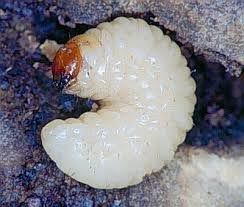
In the larval stage, billbugs are often difficult to differentiate from white grubs. A key difference between these grubs is that billbug larvae do not have legs, and white grubs have 6 legs near their heads. While billbug grubs are also slightly more plump than white grubs, they only measure about half the length of white grubs. The turf damage caused by older larvae is similar to that of a white grub; they feed on the roots and the lower crown area of your grass. Younger billbug grubs eat higher-up on the crown of the plant, which will quickly kill the individual grass blades. When examining your turf, you will notice the ends of the grass blades are chewed and snap right off with ease. Billbug larvae also produce an excrement that is easily identifiable. If you are dealing with a billbug grub invasion, you will likely notice a sawdust-like white powder that they are known to leave in their wake.
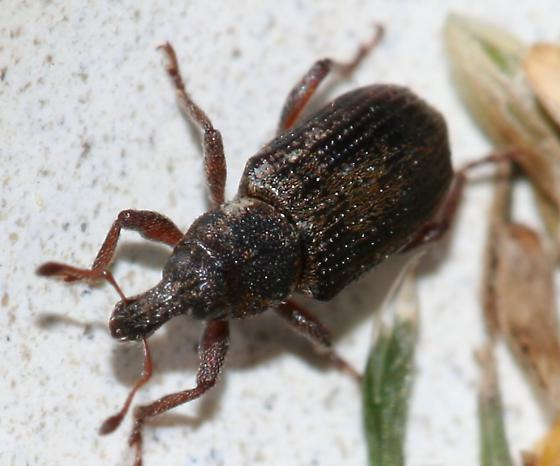
This is a different species of billbug that is commonly found in Utah. Both the larval and adult forms of this beetle can cause serious damage to your lawn. This species of beetle gets its name from Kentucky bluegrass, which is a type of turf where this weevil is frequently found. This beetle and its offspring do enjoy the environment created by Kentucky bluegrass, but it can also be found in other popular Utah turfs, such as perennial ryegrass or tall fescue. Their grubs cause yellow spots to form all over your lawn due to them feeding within the stem of the grass. Bluegrass weevil grubs are only between ⅛-¼ the size of white grubs from June beetles. If you have a bluegrass weevil grub infestation, you will be able to pull up the turf more easily than undamaged turf, but there will be a bit more resistance than you would experience with a white grub infestation. Adult bluegrass weevils chew all around the outside of grass blades and down into the crown. Lawn damage from these weevils typically peaks between July and late summer when the adults of the previous generation and the larvae of the next generation attack your turf all at once.
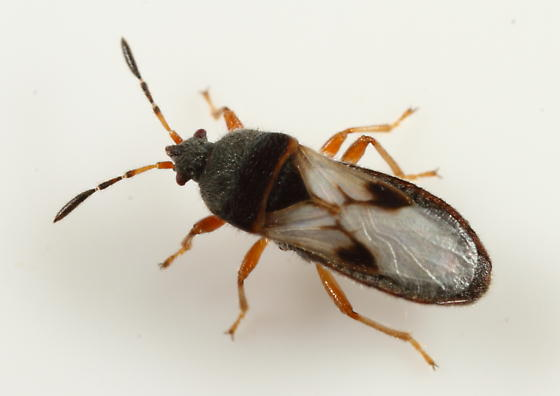
The chinch bug is one of the most prevalent lawn destroyers in the area. The life cycle of the chinch bug does not include a larval stage, but the harm they cause to your lawn is quite similar to the harm caused by a lawn grub or other types of beetles. The youngest form of a chinch bug, known as a nymph, can be identified by its bright red color and white stripe across its body. These tiny bugs can easily be missed and allowed to grow into much more harmful adult bugs. Chinch bugs have mouthparts that are designed to pierce leaves and grass and suck out the water. The holes they bite in the plants prevent water from being properly distributed, causing the plant to die. Because of the nature of the lawn damage caused by these bugs, watering will never be able to repair the parts of your lawn they destroy.
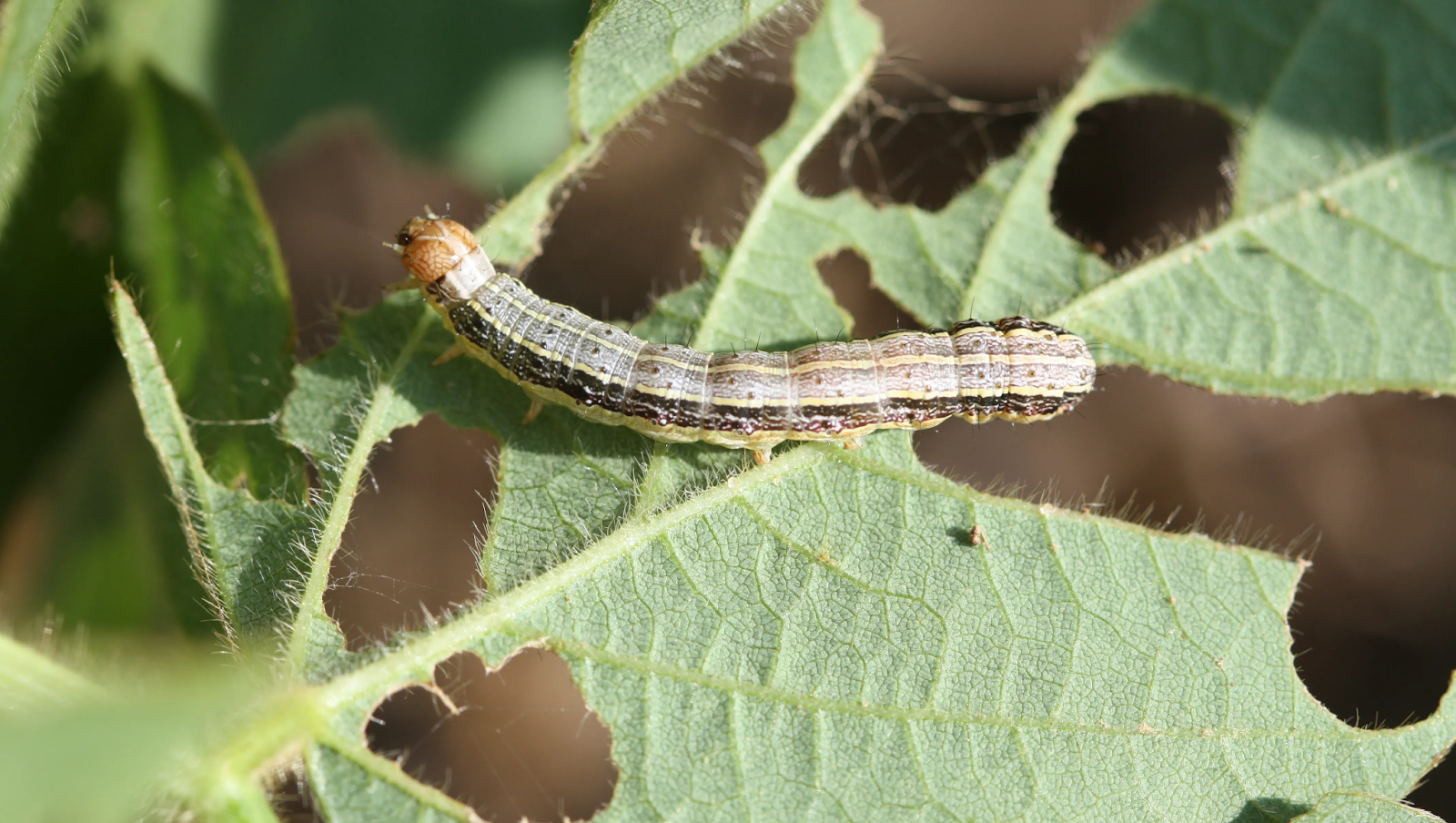
These larvae are typically green or brown in color and have dark heads. The larval, or caterpillar, form of this insect will feed on many different types of plants, including your lawn. They enjoy warm-season turfgrasses, such as Bermudagrass or St. Augustinegrass, but they will also feast on bluegrass, vegetable gardens, grain fields, and anywhere else they can find any form of organic sustenance. The name, “armyworm,” comes from their traveling habits, as large populations will quickly band together to create swarms while they search for food. When it comes to your lawn, an armyworm invasion can be detected by the “window pane” effect they create on blades of grass. The larva will chew away the top green layer of the grass and leave behind holes, or “windows,” in the grass blades. Adult armyworms are moths, and seeing moths flying in a zigzag pattern across your lawn is a good indicator of armyworms.

The offspring of these moths are another form of caterpillars that are similar to armyworms. They are usually smaller than armyworms, with a brownish color with dark spots throughout their bodies. Both warm- and cool-season grasses can attract sod webworms. Small and irregular brown patches will begin to form across your lawn if you have a webworm population. Unlike armyworms, sod webworms’ larvae will only be found feeding at night. During the daytime, webworm larvae can be found burrowed under the soil, which is a quick and easy way to identify the type of larvae you are seeing. Similarly to armyworms, the appearance of moths zipping all over your yard could also mean a sod webworm infestation.
Your lawn needs to be protected from grubs all year long. Grubs will feed until fall and then burrow deep into the ground for winter. They will emerge again in early spring and pick up right where they left off, which often means the same damaged patches of grass reappearing and expanding after the effects of winter thaw. Holmes Lawn & Pest is focused on giving you the best preventive pest control in Salt Lake City to ensure that infestations are dealt with at the source.
It is important to keep in mind that all grubs are multigenerational, and insecticides do not affect eggs because of the depth at which they are laid in the soil. For example, sod webworms can drop eggs into the soil all winter, and those eggs may stay in the soil for the entire upcoming growing season. If there is a presence of grubs or adult beetles in your lawn, the best course of action is to keep applying treatments for a minimum of 3 years to ensure that all generations are eradicated. Be sure to ask us how our lawn care treatments in Salt Lake City can make your yard grub-free!

How To Tell The Difference Between Lawn Disease & Drought Damage
Damage from lawn diseases looks similar to drought damage on your grass, but knowing how to spot the differences allows you to treat the problem correctly.
Learn MoreHow Lawn Mowing Can Affect Lawn Pest Problems
This blog post explores the connection between lawn mowing and pest problems in your lawn so you can keep your turf pest-free after cutting the grass.
Learn MoreThe Pros & Cons Of DIY Lawn Fertilization
Applying fertilizer to your own lawn could end up doing more harm than good if you don't know what you're doing. Come learn more in this blog post!
Learn More
Looking for a reliable lawn care company or someone who provides a quality pest control program? Look no further because here at Holmes, we are your lawn and pest experts. You’re happy or it’s free guaranteed.