
Last Updated:
June 26, 2026
Unlike mowing or watering, lawn aeration isn't something you do every week or even every month. The ideal schedule depends on your soil conditions, grass type, foot traffic, and overall lawn health.
This blog post will explain how frequently most lawns should be aerated, the factors that influence timing, and the signs that indicate your lawn is ready for another turf treatment.
For most residential lawns, aeration should be performed once every year or every other year. However, some properties may benefit from more frequent treatments, while others can go longer between services.
Lawns with heavy clay soil, significant foot traffic, or ongoing compaction issues typically need annual aeration to maintain healthy root development. On the other hand, lawns with loose, well-draining soil and minimal traffic may only require aeration every two to three years.
Rather than following a strict schedule, it's often best to evaluate the condition of your lawn. If the soil becomes compacted or the grass starts struggling despite proper watering and fertilization, aeration may be needed sooner.
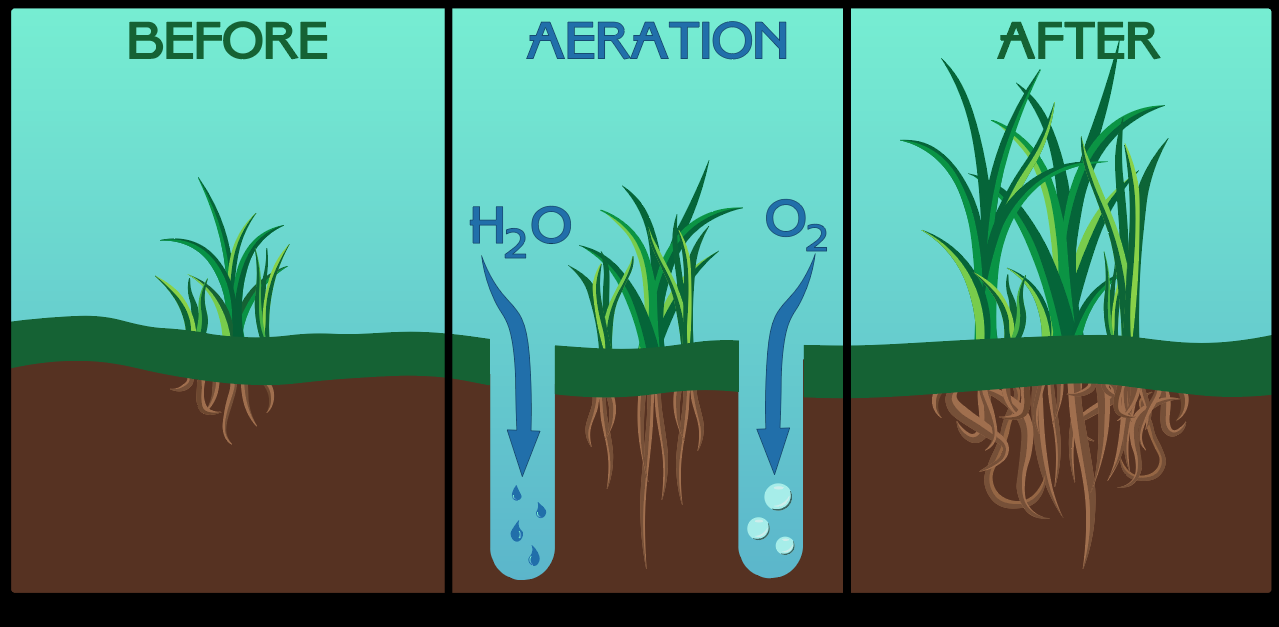
Aeration does much more than simply create holes or pathways in the ground. The process relieves soil compaction and improves the movement of air, water, and nutrients into the roots.
Over time, lawn soil naturally becomes compressed from rainfall, mowing equipment, pets, children playing, and everyday foot traffic. When this happens, grass roots have difficulty expanding and accessing the resources they need to thrive.
Regular aeration helps:
Spring aeration can be beneficial if your lawn experienced winter compaction or if you're trying to improve poor soil conditions before the growing season ramps up. Cool-season grasses often recover well from spring aeration when temperatures remain moderate.
However, spring aeration isn't always the preferred choice if you're planning to apply pre-emergent weed control, as opening the soil can interfere with the barrier.
For many lawns, especially those containing cool-season grasses, early fall is considered the best time to aerate. The soil is still warm, grass growth is active, and weeds are generally less aggressive than in spring.
Aerating during this period allows roots to expand before winter while providing excellent conditions for overseeding if needed.
Aerating during periods of extreme heat can place additional stress on already struggling turf. Grass often focuses on survival during hot weather, making recovery slower and less predictable.
Unless irrigation is readily available and conditions are favorable, summer aeration is typically not recommended.
Aeration can still be performed in late fall under certain circumstances, but waiting too long may reduce the lawn's ability to recover before winter dormancy arrives. Earlier fall applications generally produce better results.
One of the biggest factors affecting aeration frequency is how much use your lawn receives throughout the year.
Lawns that regularly host children, pets, outdoor gatherings, or recreational activities often experience significant compaction. These properties usually benefit from annual aeration to keep the soil loose and healthy.
Lower-traffic lawns that receive minimal activity may not compact as quickly. In these situations, aeration every two or three years may be sufficient to maintain healthy turf. The more pressure your soil experiences, the more frequently aeration becomes necessary.
Your lawn will usually provide several clues when soil compaction becomes a problem.
Common signs include:
Yes, although it's far less common than under-aerating. While aeration is beneficial, performing it excessively can disrupt root systems and create unnecessary stress.
Most healthy lawns don't need multiple aeration treatments every year unless severe compaction exists. Annual aeration is usually sufficient for heavily used lawns, while less-compacted properties can often go longer between treatments.
The goal is to improve soil structure, not constantly disturb it. Giving your lawn adequate time to recover between treatments allows roots to fully take advantage of the improved growing conditions.
Q: How often should most lawns be aerated?
A: Most lawns benefit from aeration every one to two years, although heavily compacted soils may require annual treatments.
Q: What type of lawn needs aeration the most?
A: Lawns with clay soil, heavy foot traffic, poor drainage, or noticeable compaction typically benefit the most from regular aeration.
Q: Is fall or spring better for aeration?
A: For cool-season grasses, early fall is generally considered the best time because it supports root development and lawn recovery.
Q: Can aeration help with standing water?
A: Yes. Aeration improves water movement through compacted soil, which can help reduce puddling and runoff.
Q: Should I overseed after aerating?
A: Absolutely. The pathways in the soil created during aeration provide excellent seed-to-soil contact, improving germination rates for new grass seed.

The Pros & Cons Of DIY Lawn Fertilization
Applying fertilizer to your own lawn could end up doing more harm than good if you don't know what you're doing. Come learn more in this blog post!
Learn MoreIs Your Mulch Attracting Pests?
If you have bugs and pests all over your lawn, your old mulch may be the problem. Come find out how old, decaying mulch can attracts pests to your yard.
Learn MoreShould You Water Your Lawn After Fertilization?
What you do after fertilizing your lawn is crucial to the effectiveness of the application. Come read all about watering-in lawn fertilizers after treatments.
Learn More
Looking for a reliable lawn care company or someone who provides a quality pest control program? Look no further because here at Holmes, we are your lawn and pest experts. You’re happy or it’s free guaranteed.