Last Updated:
February 27, 2026
Thatch is a natural buildup of organic material that accumulates on the top layer of the soil in your lawn. Removing excess thatch is an important step in proper lawn aeration. When thatch is minimal, aeration alone may significantly improve soil conditions and root growth. However, If a lawn has developed excessive thatch, aeration will not deliver the results homeowners expect.
Thick thatch can block soil contact, limit airflow, and reduce how effectively aeration relieves compaction. In those cases, removing thatch first allows aeration and other lawn treatments to work as intended and provides longer-lasting improvements to lawn health.
Thatch is often misunderstood as simply a buildup of grass clippings left behind after mowing. In reality, thatch is a dense layer of living and dead organic material, including stems, roots, crowns, and runners, that forms between the soil surface and the green portion of the grass. While clippings break down quickly and rarely contribute to thatch, tougher plant tissues decompose more slowly, especially in lawns with limited microbial activity.
A thin thatch layer can actually benefit a lawn by insulating roots, reducing surface evaporation, and providing a cushion against foot traffic. Problems arise when thatch accumulates faster than it breaks down, creating a barrier that interferes with normal soil-to-root interaction.
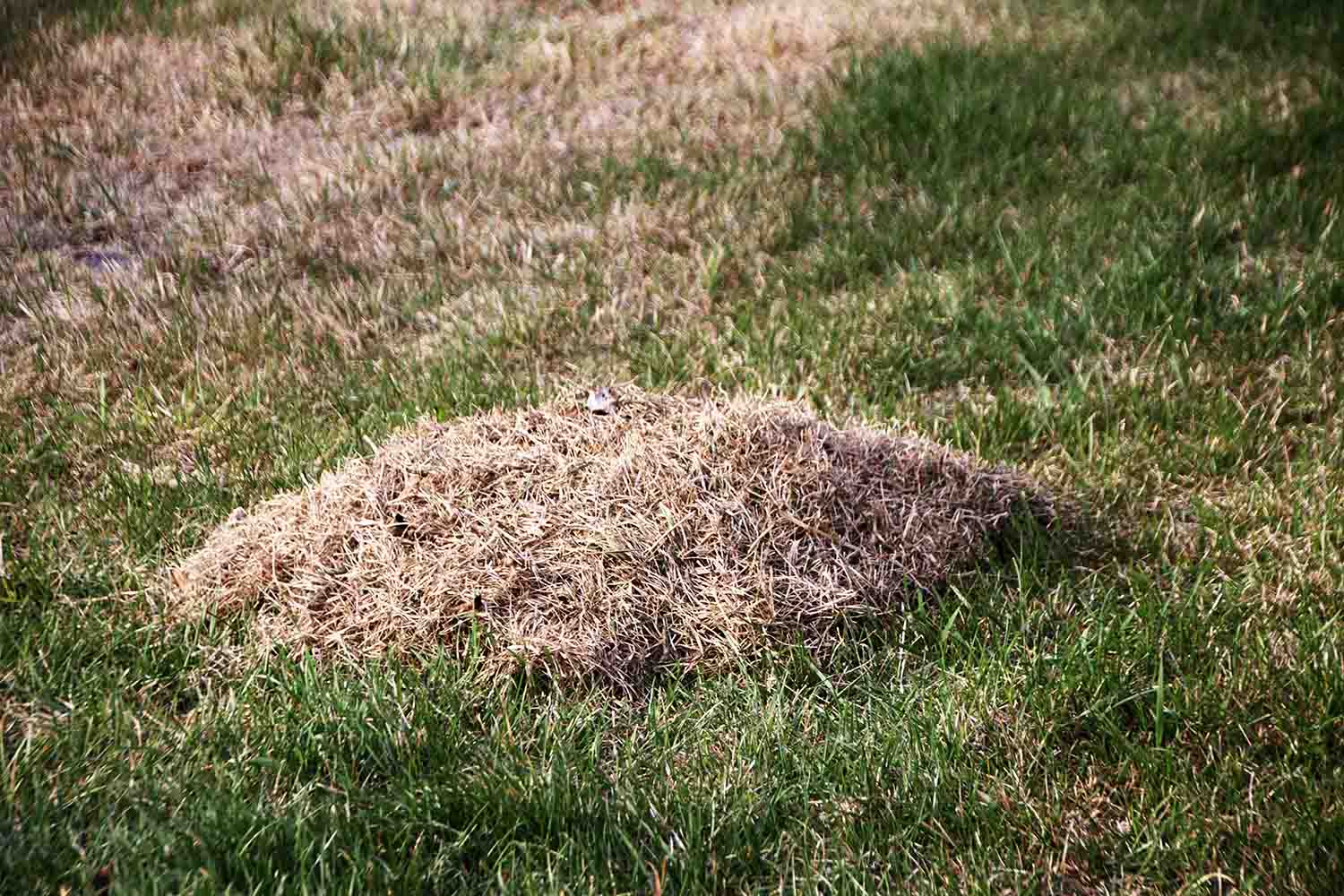
Not all thatch needs to be removed. The key factor is thickness. Lawns with less than about half an inch of thatch typically function well and may not require dethatching. Once the layer exceeds that point, however, it begins to interfere with water movement, nutrient absorption, and root development.
Excessive thatch can lead to:
Core aeration is designed to relieve soil compaction by removing small plugs of soil from the lawn. These openings allow oxygen, water, and nutrients to move deeper into the soil profile, encouraging roots to grow downward instead of remaining near the surface. Over time, this leads to stronger turf, improved drought tolerance, and better overall lawn performance.
Aeration works best when there is direct contact between the turf and the soil. When roots can easily access loosened soil, they respond quickly, filling in aeration holes and strengthening the lawn from below. Any barrier between the turf and the soil, such as excessive thatch, can limit these benefits.
Timing matters when combining dethatching and aeration. Both practices place stress on the lawn, so they should be performed during periods of active growth when grass can recover quickly. Performing these services at the wrong time of year can slow recovery and increase vulnerability to weeds.
When thatch removal is needed, allowing a short recovery window before aeration can help reduce stress, especially in lawns that are already thin or struggling.
When a thick thatch layer is present, aeration equipment may not penetrate the soil consistently. Instead of removing clean soil cores, the tines may pull up organic debris or fail to reach compacted layers beneath the surface. This reduces the ability of aeration to improve soil structure and root depth.
Excess thatch can:
Thatch removal should be considered before aeration when the thatch layer is clearly excessive and interfering with soil contact. Lawns that struggle with drainage, feel unusually soft underfoot, or show poor response to watering and fertilization often benefit from dethatching first.
Removing thatch exposes the soil surface, allowing aeration to penetrate properly and deliver meaningful results. In these cases, dethatching followed by aeration creates a one-two improvement: first removing the barrier, then relieving compaction.
Not every lawn needs dethatching before aeration. Lawns with minimal thatch can respond very well to aeration alone, especially when combined with proper mowing, watering, and fertilization practices. In fact, routine aeration can help prevent thatch buildup by improving soil biology and encouraging organic material to break down more efficiently.
Grass type also plays a role. Some grasses naturally produce more thatch than others, and lawns with aggressive growth habits may require more frequent monitoring.
Certain grass types, particularly those that spread through stolons or rhizomes, tend to build thatch more quickly. Warm-season grasses and some aggressive cool-season varieties are more prone to thatch accumulation, especially when overwatered or overfertilized.
Understanding your grass type helps determine whether dethatching before aeration is necessary or whether aeration alone will be sufficient. Matching maintenance practices to the grass’s growth habits reduces long-term thatch problems.
Q: Can I aerate my lawn without removing thatch?
A: Yes, if the thatch layer is thin. Lawns with minimal thatch often benefit from aeration alone without any issues.
Q: How do I know if my lawn has too much thatch?
A: If the lawn feels spongy, water runs off instead of soaking in, or roots appear to grow above the soil surface, excessive thatch may be present.
Q: Will aeration help reduce thatch over time?
A: Yes. Regular aeration improves soil conditions and microbial activity, which can help organic material break down more efficiently.
Q: Is dethatching stressful for the lawn?
A: Yes. Dethatching is more aggressive than aeration and can temporarily thin the lawn, which is why timing and recovery conditions are important.
Q: Should I dethatch and aerate on the same day?
A: In some cases, yes. However, heavily stressed or thin lawns may benefit from spacing the services slightly to allow recovery.
Q: How often should thatch be removed?
A: Thatch removal is only needed when buildup becomes excessive. Many lawns go years without needing dethatching when maintained properly.

How To Tell The Difference Between Lawn Disease & Drought Damage
Damage from lawn diseases looks similar to drought damage on your grass, but knowing how to spot the differences allows you to treat the problem correctly.
Learn MoreHow Lawn Mowing Can Affect Lawn Pest Problems
This blog post explores the connection between lawn mowing and pest problems in your lawn so you can keep your turf pest-free after cutting the grass.
Learn MoreThe Pros & Cons Of DIY Lawn Fertilization
Applying fertilizer to your own lawn could end up doing more harm than good if you don't know what you're doing. Come learn more in this blog post!
Learn More
Looking for a reliable lawn care company or someone who provides a quality pest control program? Look no further because here at Holmes, we are your lawn and pest experts. You’re happy or it’s free guaranteed.