
Last Updated:
February 27, 2026
Pre-emergent weed control is an application of preventative herbicide that stops weeds from emerging through the soil. Rather than killing visible weeds, pre-emergent products work in the soil to prevent weed seeds from developing roots during germination. When applied at the correct time, pre-emergent weed control dramatically reduces the number of weeds that appear in a lawn, making it one of the most effective tools for long-term weed prevention.
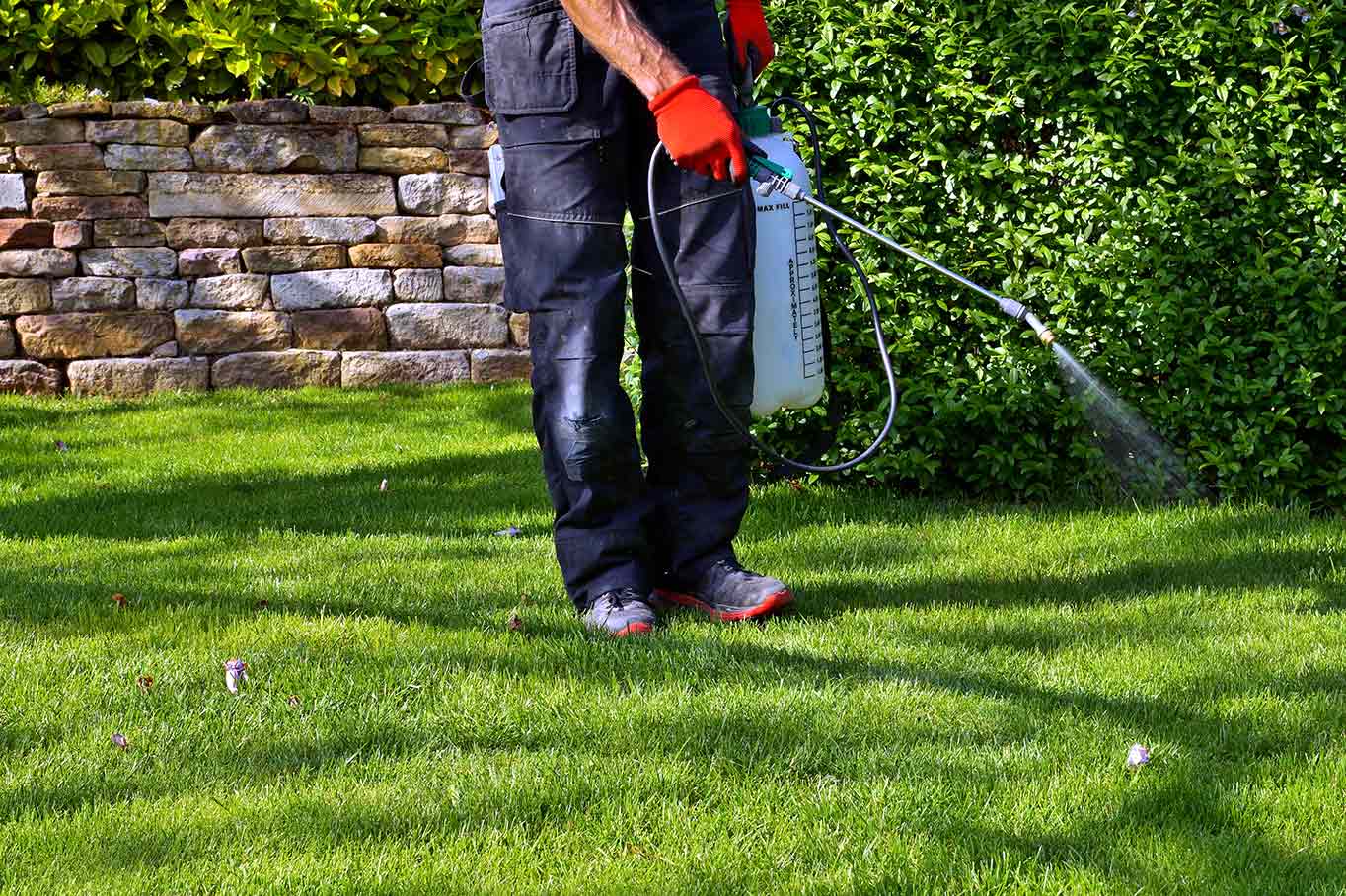
Pre-emergent weed control targets weeds before they emerge from the soil. Weed seeds naturally exist in nearly every lawn, lying dormant until temperature and moisture conditions signal them to germinate. Pre-emergent products form a protective barrier in the upper layer of soil that interferes with early root development.
When a weed seed begins to germinate, it attempts to send out a root. The pre-emergent barrier disrupts this process, preventing the seedling from establishing itself. As a result, the weed dies before it ever becomes visible above the soil surface. Because pre-emergents act below ground, they must be applied before weed growth begins. Once a weed has emerged, pre-emergent control is no longer effective on that plant.
One of the most common misunderstandings about pre-emergent weed control is expecting it to kill existing weeds. Pre-emergents are strictly preventative. They do not affect weeds that are already growing, nor do they remove weeds that have established roots.
Pre-emergent weed control does:
Pre-emergent does not:
Pre-emergent weed control is especially effective against annual weeds that rely on seed germination each year. These weeds emerge rapidly once conditions are right and can quickly take over thin or stressed lawns if not prevented.
Common weeds controlled by pre-emergents include:
Timing is the single most important factor in successful pre-emergent weed control. Applications must be made before weed seeds begin to germinate, which is determined by soil temperature rather than calendar date. If applied too early, the barrier may weaken before peak germination occurs. If applied too late, weeds may already be growing.
After application, watering is usually necessary to activate the product and move it into the soil. Without proper activation, the barrier may never fully form.
Several factors influence timing effectiveness:
Pre-emergent products do not last indefinitely. Most provide protection for several weeks to a few months, depending on the formulation, application rate, and environmental conditions. Heavy rainfall, frequent irrigation, or soil disturbance can shorten the lifespan of the barrier.
Because of this, some lawns benefit from split applications, where the total amount is applied in stages to extend protection during long germination windows. This approach helps maintain consistent control without gaps that allow weeds to break through.
Once a pre-emergent barrier is established, disturbing the soil can reduce its effectiveness. Practices such as core aeration, dethatching, heavy raking, or digging can break the barrier and allow weed seeds to germinate in untreated soil.
For this reason, pre-emergent weed control should be timed around major lawn services. If soil-disturbing practices are needed, they should typically be completed before applying pre-emergent treatments to preserve effectiveness.

Pre-emergent and post-emergent weed control serve different purposes and work best when used together. Pre-emergents focus on prevention, while post-emergents address weeds that have already emerged.
Pre-emergent weed control:
Post-emergent weed control:
Pre-emergent weed control works best in lawns that are already healthy and dense. Thick turf naturally shades the soil surface, reducing weed seed germination and enhancing the effectiveness of the soil barrier. Thin or stressed lawns allow more sunlight to reach the soil, increasing weed pressure even with pre-emergent protection.
Proper mowing height, watering habits, and fertilization all support turf density, making pre-emergent applications more reliable and longer-lasting.
While pre-emergent weed control is extremely effective, it is not a complete solution on its own. Some weeds spread through complex root systems rather than seeds, while others may already be established before treatment begins.
Lawns with existing weed infestations often require post-emergent treatments alongside pre-emergent applications to achieve noticeable improvement. Over time, consistent prevention reduces the need for corrective treatments.
Q: Can pre-emergent weed control kill existing weeds?
A: No. Pre-emergent products only prevent new weeds from sprouting and do not affect weeds that are already growing.
Q: When should pre-emergent be applied?
A: Pre-emergent should be applied before weed seeds germinate, which is determined by soil temperature rather than the calendar.
Q: Does pre-emergent need to be watered in?
A: Yes. Most pre-emergent products require watering or rainfall after application to activate the soil barrier.
Q: How long does pre-emergent weed control last?
A: Most products provide control for several weeks to a few months, depending on environmental conditions and application rate.
Q: Will aeration affect pre-emergent weed control?
A: Yes. Aeration can break the soil barrier, reducing effectiveness if performed after pre-emergent application.
Q: Do healthy lawns still need pre-emergent weed control?
A: Yes. Even healthy lawns contain dormant weed seeds, and pre-emergent control helps prevent future infestations before they begin.

How To Tell The Difference Between Lawn Disease & Drought Damage
Damage from lawn diseases looks similar to drought damage on your grass, but knowing how to spot the differences allows you to treat the problem correctly.
Learn MoreHow Lawn Mowing Can Affect Lawn Pest Problems
This blog post explores the connection between lawn mowing and pest problems in your lawn so you can keep your turf pest-free after cutting the grass.
Learn MoreThe Pros & Cons Of DIY Lawn Fertilization
Applying fertilizer to your own lawn could end up doing more harm than good if you don't know what you're doing. Come learn more in this blog post!
Learn More
Looking for a reliable lawn care company or someone who provides a quality pest control program? Look no further because here at Holmes, we are your lawn and pest experts. You’re happy or it’s free guaranteed.