
Last Updated:
August 31, 2026
Mulch is an important part of many landscape beds. However, mulch can become a problem when it is allowed to sit for too long. As mulch ages, it can become damp, compacted, and full of decaying organic material. These conditions can create an attractive environment for insects and other unwanted pests.
While mulch itself does not automatically cause a pest infestation, neglected or excessively thick mulch can provide food, moisture, shelter, and hiding places for pests around your home.
Be sure to check out our outdoor pest control services if you need help controlling a bug problem on your property in Salt Lake City.
Fresh mulch can provide useful protection for your plants, but it naturally breaks down over time. As it decomposes, it holds moisture and becomes incorporated into the soil beneath it. If new layers continue to be added without removing or properly managing the old material, mulch beds can become overly thick and damp.
These conditions are appealing to many insects and small organisms that prefer dark, moist environments. Old mulch can also provide shelter from temperature changes and predators, making it an easy place for pests to hide.
Problems are more likely when mulch is:
Different pests are attracted to mulch for different reasons. Some use it primarily as shelter, while others are attracted to the moisture and organic material.
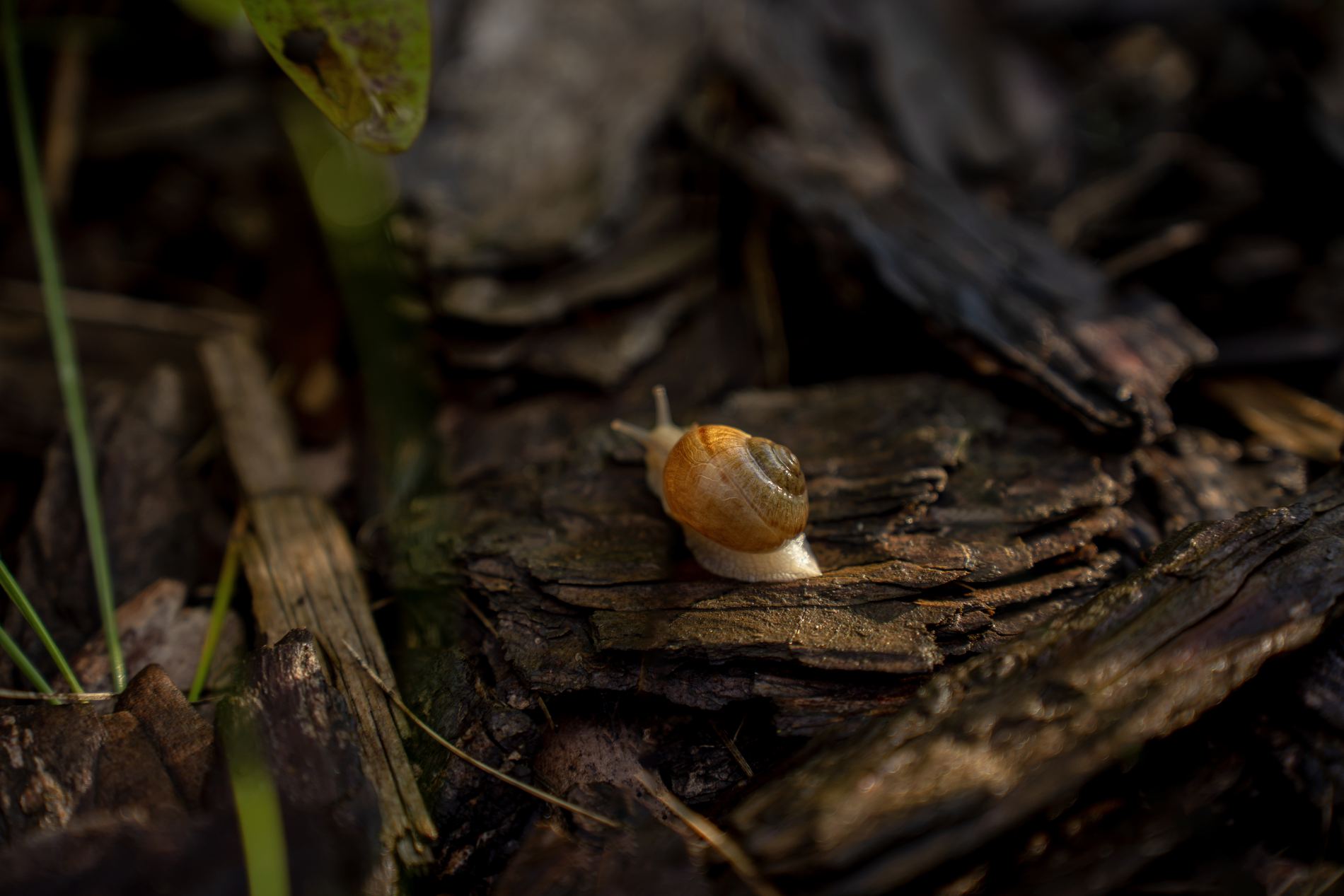
Moist mulch can provide an ideal hiding environment for slugs and snails. They are particularly likely to become noticeable in landscape beds that stay damp and shaded.
Ants may establish nests in mulch, particularly when the material stays relatively dry and protected. Certain species can also take advantage of mulch that is piled near the foundation of a home to establish colonies close to the structure.
Termites are associated with moist, decaying wood and organic material. Although mulch does not automatically cause a termite infestation, excessive mulch or wood-based material placed directly against a home's foundation can create conditions that deserve attention.
Keeping mulch away from siding and foundation areas and maintaining reasonable depth can make inspections easier and reduce potential problems.
Spiders may move into mulch because it provides a dark, protected environment and attracts other insects they feed on. A heavily populated mulch bed can therefore become a convenient hunting area for spiders.
Earwigs prefer cool, damp hiding places and may find wet mulch particularly appealing. They can hide underneath mulch during the day and become more active at night.
Cockroaches can also use damp mulch and landscape debris as shelter, particularly when beds are close to buildings. Excessive moisture and accumulated organic debris can make landscape beds more appealing to these pests.
Not necessarily. There is no universal rule that mulch must be completely removed and replaced every year. How often it needs attention depends on the mulch material, its condition, how quickly it decomposes, and the appearance and needs of the landscape bed.
Instead of automatically adding another thick layer each season, inspect the existing mulch first. If it has broken down significantly, become compacted, developed excessive moisture, or accumulated debris, it may be time for a more thorough cleanup and replacement.
Simply adding fresh mulch over several inches of old material can make the bed too deep and create additional moisture and pest concerns.
More mulch isn't necessarily better. Excessively deep mulch can trap moisture, restrict air movement, and create a sheltered environment for insects and other pests.
Mulch should generally be applied at a moderate depth appropriate for the landscape and material being used. It should also be kept away from the trunks of trees and stems of shrubs rather than piled directly against them.
A proper mulch installation should leave the bed looking finished without creating a large mound around plants or structures.
Good landscape maintenance can make mulch less attractive to unwanted pests. Keeping beds clean, managing moisture, and avoiding excessive mulch are all important parts of prevention.
Consider these practices:
Finding a few insects in your mulch does not necessarily mean you have an infestation. Mulch is an outdoor environment, so some insect activity is normal. However, large numbers of pests, recurring activity, or pests consistently appearing around your home may indicate a larger problem.
Professional pest control can help identify what is attracting the pests and determine whether treatment is necessary. In some cases, improving landscape conditions may be enough to reduce activity. In others, professional treatment may be needed to address an established infestation.
Q: Does old mulch attract bugs?
A: Old mulch can attract or provide shelter for certain insects when it becomes damp, decomposed, compacted, or filled with organic debris. Mulch itself does not automatically cause an infestation.
Q: What pests are commonly found in mulch?
A: Ants, spiders, earwigs, cockroaches, slugs, and snails can all use mulch as a source of shelter or moisture. The specific pests present will depend on the conditions around your property.
Q: Can mulch attract termites?
A: Mulch does not necessarily cause termites, but excessive wood-based mulch placed against a home can create favorable conditions and make termite activity harder to detect. Keeping mulch away from the foundation and maintaining reasonable depth is recommended.
Q: How often should old mulch be replaced?
A: It depends on the type of mulch and its condition. Instead of replacing it on a strict schedule, inspect the bed regularly and refresh or replace mulch when it has significantly decomposed, compacted, or accumulated excessive debris.
Q: Should I remove old mulch before adding new mulch?
A: Sometimes. If the existing mulch is still in good condition and at an appropriate depth, it may only need to be raked and refreshed. If it is excessively deep, compacted, or heavily decomposed, removing some of the old material may be a better option.
Q: Can professional pest control help with pests in mulch?
A: Yes. A professional can identify the pest involved, determine what may be attracting it, and recommend appropriate treatment. Improving mulch and landscape conditions can also be an important part of preventing recurring pest activity.

How To Tell The Difference Between Lawn Disease & Drought Damage
Damage from lawn diseases looks similar to drought damage on your grass, but knowing how to spot the differences allows you to treat the problem correctly.
Learn MoreHow Lawn Mowing Can Affect Lawn Pest Problems
This blog post explores the connection between lawn mowing and pest problems in your lawn so you can keep your turf pest-free after cutting the grass.
Learn MoreThe Pros & Cons Of DIY Lawn Fertilization
Applying fertilizer to your own lawn could end up doing more harm than good if you don't know what you're doing. Come learn more in this blog post!
Learn More
Looking for a reliable lawn care company or someone who provides a quality pest control program? Look no further because here at Holmes, we are your lawn and pest experts. You’re happy or it’s free guaranteed.