
Last Updated:
October 31, 2026

Snow and ice can create challenges for homeowners during winter, but keeping walkways and driveways clear can also play a role in protecting your lawn. When handled properly, snow and ice removal helps prevent harmful runoff, reduces the risk of physical damage, and keeps winter maintenance from creating bigger problems for your grass.
The key is removing snow and ice strategically rather than simply pushing it wherever there's room. With a few thoughtful practices, you can maintain safe outdoor surfaces while helping your lawn emerge from winter in better condition.
Snow removal does more than keep pavement accessible. The way snow is cleared and stored throughout winter can influence soil conditions, grass growth, and the amount of repair your lawn needs in spring. Certain precautions can reduce winter injury and help your lawn recover more evenly when warmer weather returns.
Here are several ways careful snow removal supports lawn health:
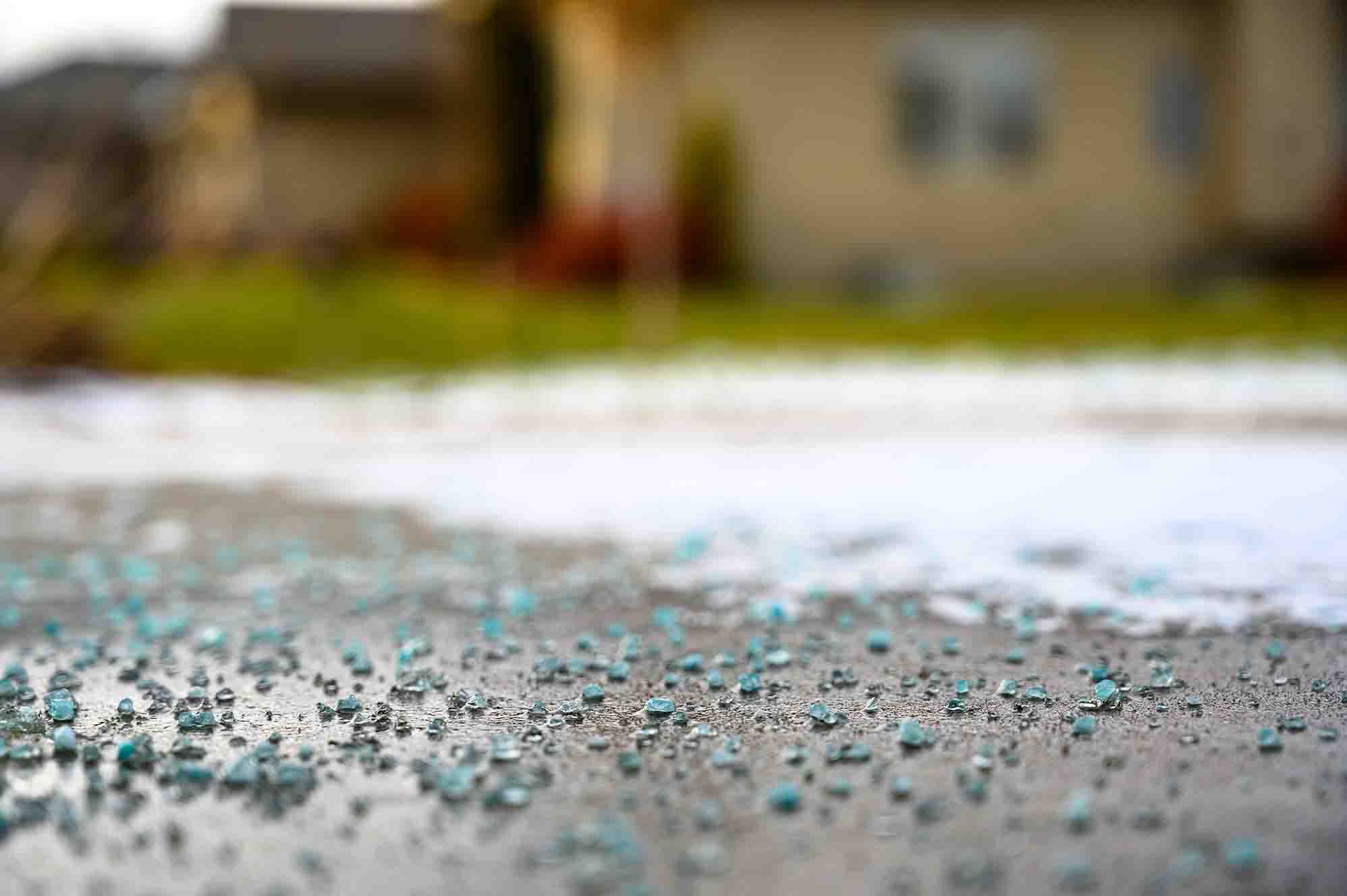
Ice buildup can make sidewalks and driveways hazardous, but the products used to manage it can affect nearby turf. Rock salt and certain other deicers may accumulate in the soil or wash into grass during snowmelt, contributing to brown patches and weakened growth.
A careful approach to ice management helps protect both your property and your lawn.
Place reflective stakes along driveways, sidewalks, and other paved surfaces before the first snowfall. These markers help guide snow removal equipment and prevent grass from being scraped or buried under misplaced snow piles.
Whenever possible, designate areas that can accommodate snow without covering delicate plantings or repeatedly burying the same section of turf. Avoid locations where salty runoff will flow directly into the lawn.
Snowblowers and plows should stay clear of grass wherever possible. Avoid driving heavy equipment across frozen turf, since traffic can damage grass crowns and compact the soil.
Clearing manageable amounts after snowfall can reduce the formation of dense, compacted layers. It may also lessen the need for aggressive scraping and repeated applications of ice melt.
Good snow and ice management can make spring lawn care easier, but checking the lawn after winter is still important. Once the snow melts, look for damaged edges, flattened grass, bare patches, and areas that may have received salty runoff.
Allow the lawn time to begin growing before deciding whether repairs are necessary. Remove loose debris when the ground is firm, and avoid working on saturated soil, which can become compacted under foot traffic.
If grass near sidewalks or driveways shows signs of salt injury, adequate drainage and fresh water may help flush salts from the soil when conditions permit. Persistent bare spots may need reseeding once temperatures and soil conditions are appropriate.
Q: Can proper snow removal help keep my lawn healthy?
A: Yes. Careful snow removal reduces the risk of damaged grass, excessive snow buildup, and soil compaction caused by heavy equipment or repeated traffic across the lawn.
Q: Should I remove snow from my lawn?
A: Not necessarily. Snow can insulate dormant grass from extreme cold. However, moving excessive piles away from vulnerable areas can help prevent prolonged snow cover and uneven spring growth.
Q: How can I prevent salt damage to my grass during winter?
A: Apply deicers sparingly, keep treated snow away from lawn edges, and manage runoff to reduce salt accumulation in the soil. Sand may provide traction when melting ice isn't necessary.
Q: Does clearing ice help protect grass?
A: Removing ice from walkways and driveways improves safety and can prevent dense ice from accumulating along lawn edges. Avoid aggressive scraping that could damage nearby turf.
Q: When should I inspect my lawn for winter damage?
A: Check your lawn after the snow melts and the ground begins to dry. Look for damaged grass, bare spots, and areas affected by runoff, then allow active growth to resume before planning repairs.
Q: What is the best way to protect lawn edges during snow removal?
A: Mark paved boundaries before winter, keep plows and snowblowers on hard surfaces, and place snow piles in designated areas. These steps help prevent scraped turf and reduce unnecessary stress on grass.

How Snow & Ice Removal Affects Your Lawn
Winter cleanup can take a toll on your grass if you're not careful. This post explores how to properly clear snow and ice without harming your grass.
Learn MoreWhy You See More Bugs In Your Home In Fall
As outdoor conditions become less favorable, insects and pests start seeking shelter. Learn what draws them inside during fall and how to keep them out.
Learn MoreHow To Tell The Difference Between Lawn Disease & Drought Damage
Damage from lawn diseases looks similar to drought damage on your grass, but knowing how to spot the differences allows you to treat the problem correctly.
Learn More
Looking for a reliable lawn care company or someone who provides a quality pest control program? Look no further because here at Holmes, we are your lawn and pest experts. You’re happy or it’s free guaranteed.