
Last Updated:
October 31, 2026
As summer fades and cooler weather settles in, you might notice something strange happening around your home. Spiders appear in the basement, stink bugs gather near the windows, and ants seem to show up in places where you rarely saw them before. Even if your home stayed relatively bug-free throughout the summer, fall can bring a noticeable increase in unwanted visitors.
This seasonal shift isn't a coincidence. Many insects become more noticeable in fall because they're searching for shelter, responding to changing temperatures, or preparing to survive the winter. Understanding why bugs enter your home during autumn can help you figure out which pests you're dealing with and what you can do to keep them outside. Check out our pest control services for more help keeping your home bug-free!
Insects respond to seasonal changes in different ways. Some seek protected places to spend the winter, while others become more active around homes as their outdoor habitats change. Even a small gap around a window or door can provide an easy route indoors.
Several factors contribute to the increase in fall pest activity:
Certain pests tend to become more noticeable as autumn progresses. Knowing what they look like and why they're showing up can help you determine whether you're dealing with a seasonal nuisance or a problem that needs attention.
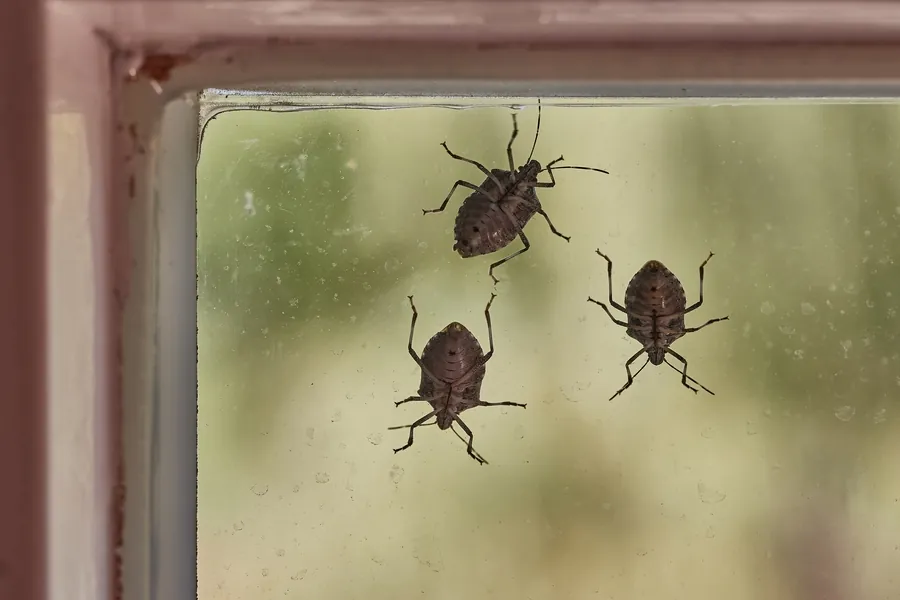
Stink bugs are among the most recognizable fall invaders. These shield-shaped insects often gather on sunny exterior walls before moving into protected spaces. They can slip through gaps around windows, siding, rooflines, and other parts of a home's exterior.
Once indoors, stink bugs may hide in attics, wall voids, or other quiet areas. They don't typically reproduce inside homes, but they can become a nuisance when they emerge from hiding on warmer days. Crushing them releases the unpleasant odor they're named for, so it's better to remove them carefully.
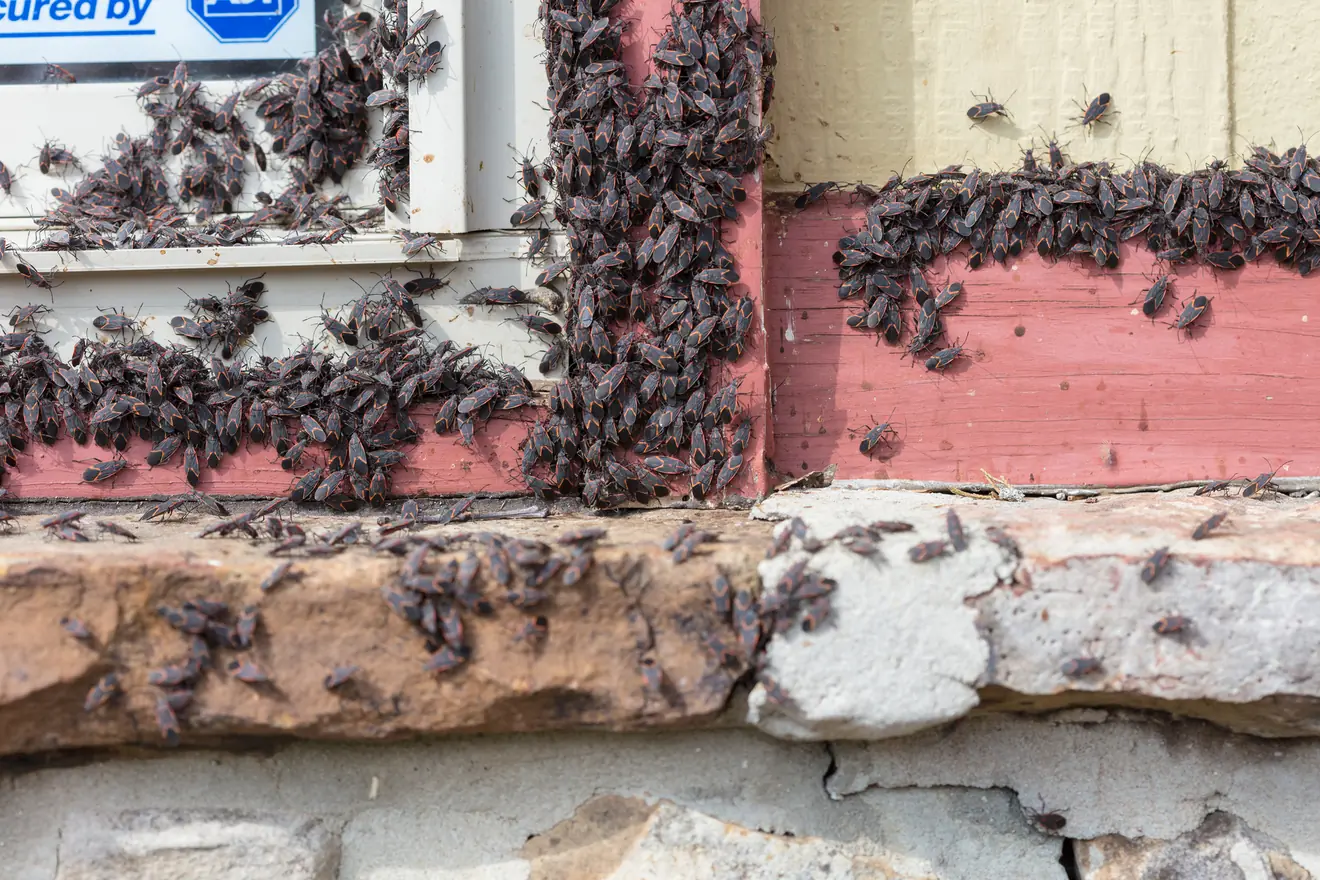
Boxelder bugs are commonly found around boxelder trees, although they may also gather near other seed-producing trees. As the weather cools, they often congregate on warm, sun-facing walls before looking for places to shelter.
These black insects with red or orange markings can enter through small openings and accumulate around windows or in wall cavities. They're generally more of a nuisance than a threat, but large numbers can be frustrating to manage.
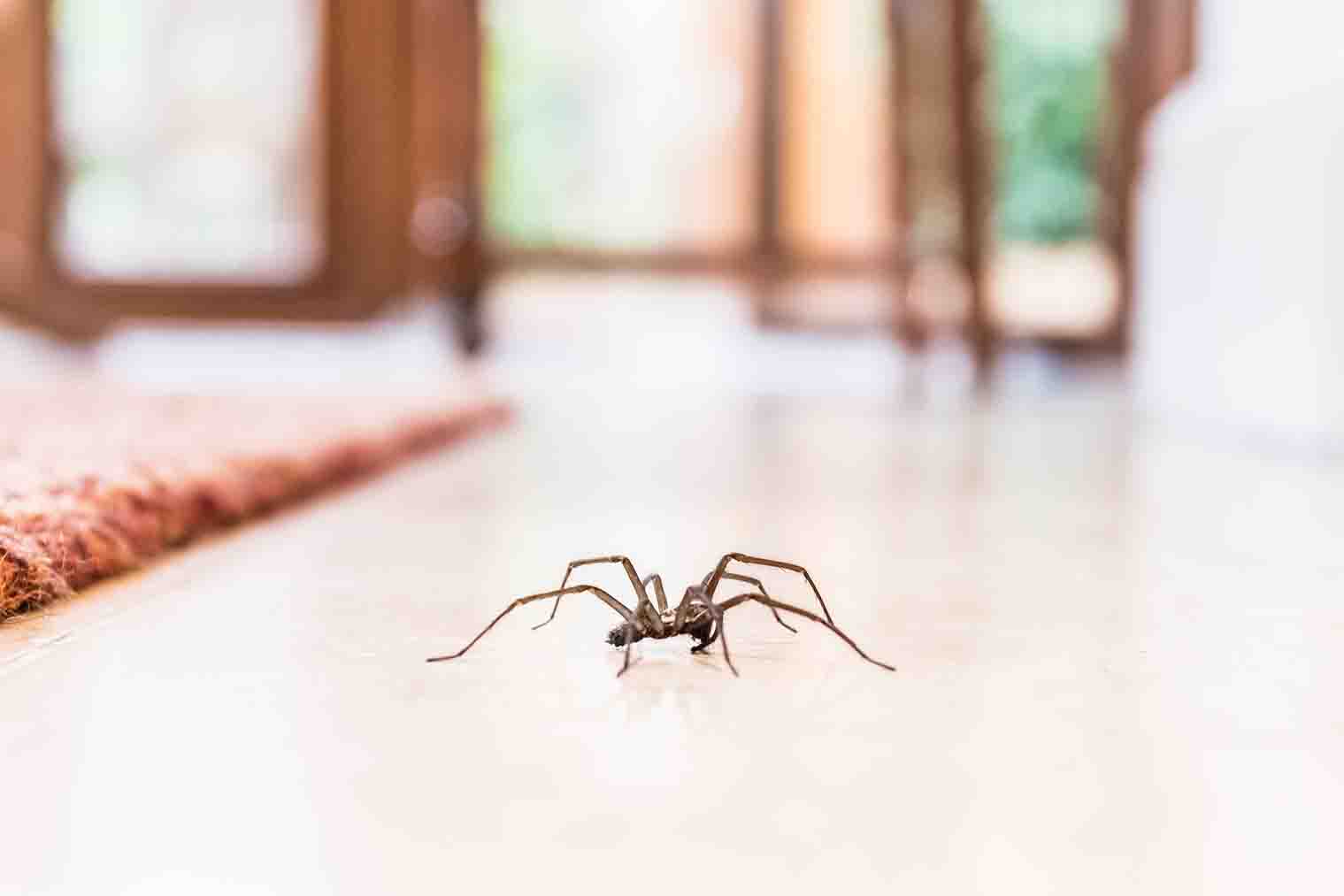
Spiders can become more noticeable in fall for a different reason. Many species reach maturity during late summer or autumn, making them larger and easier to spot. Some also move around more as they search for mates.
Finding a spider indoors doesn't necessarily mean your home has an infestation. Spiders may enter through gaps in the exterior or follow other insects that provide a food source. Reducing insect activity and sealing entry points can make your home less attractive to them.
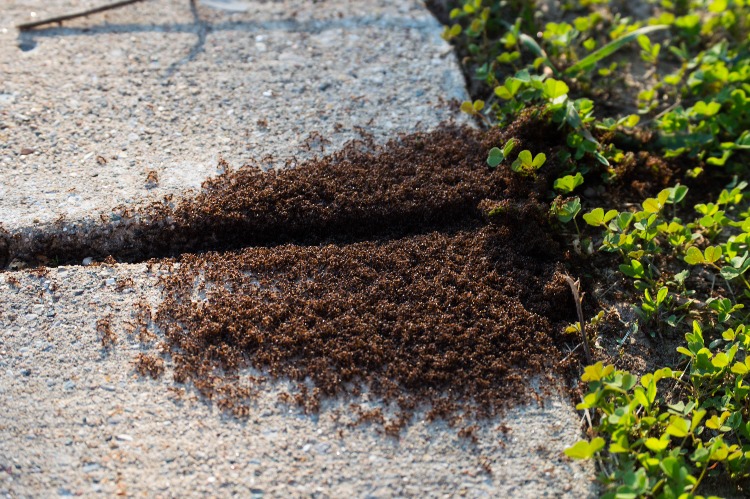
Ant activity doesn't automatically disappear when summer ends. Some ants continue searching for food and shelter, and a home can offer both. Tiny openings near foundations, plumbing penetrations, and door frames may provide access.
If ants repeatedly appear in the kitchen, pantry, or near water sources, they may be following an established trail to food. Cleaning up crumbs, storing food securely, and addressing the source of the activity can help prevent them from returning.
In many cases, yes, but the explanation is a little more complicated than insects simply running away from winter. Some insects enter a dormant state called diapause, which allows them to survive unfavorable conditions by slowing their development and activity. Others seek sheltered locations where temperatures fluctuate less dramatically. Depending on the species, these hiding places may include leaf litter, tree cavities, spaces beneath bark, or gaps in buildings.
Homes can unintentionally provide ideal overwintering sites. A narrow opening in the siding or a gap around a utility line may lead to a wall cavity that stays relatively protected from the elements.
However, not every bug you find indoors is preparing to hibernate. Some insects are active year-round inside heated buildings, while others enter accidentally when doors are opened or outdoor conditions change. Identifying the pest is an important first step toward choosing the right prevention method.
You don't have to wait until insects start appearing indoors to take action. A few preventative steps can make your home less accessible and reduce the conditions that attract pests.
Inspect the exterior of your home for openings that insects could use to get inside. Pay particular attention to areas where different materials meet or where utility lines pass through exterior walls.
Your home's immediate surroundings can influence how many pests approach the building. Dense vegetation, accumulated debris, and clutter near the foundation can give insects convenient places to hide.
Professional assistance is particularly useful when the source of the insects isn't obvious. For example, a recurring trail of ants may lead to a hidden nesting site, while clusters of overwintering insects may be entering through gaps that aren't easy to see from inside the house.
Preventative pest control can also help address conditions that encourage unwanted insect activity before the problem becomes more difficult to manage. Depending on the pest, an effective plan may combine exterior treatments, exclusion measures, and recommendations for reducing pest-friendly conditions around the property.
Q: Why am I suddenly seeing more bugs in my house during fall?
A: Many insects become more noticeable in fall because they're searching for shelter from cooler temperatures or preparing to overwinter. Others are reaching maturity or entering through doors, windows, and small gaps in the home's exterior.
Q: What bugs are most common in homes during autumn?
A: Stink bugs, boxelder bugs, Asian lady beetles, spiders, ants, and cluster flies are among the pests homeowners may notice more often in fall. The specific insects depend on the region and the conditions around the property.
Q: Do bugs come inside because they can sense winter approaching?
A: Insects respond to environmental cues such as temperature, daylight, and seasonal changes in their habitat. Some species use these signals to seek sheltered overwintering sites, which may include homes and other buildings.
Q: Will bugs in my house go away when winter arrives?
A: Some insects become inactive in hidden areas and remain there until warmer weather returns. Others may stay active inside heated homes if food, moisture, and suitable conditions are available.
Q: How can I prevent bugs from entering my home in fall?
A: Seal gaps around doors and windows, repair damaged screens, maintain exterior areas, and remove food and moisture sources. These measures can reduce entry opportunities and make your home less attractive to many common pests.
Q: When should I get professional pest control for fall bugs?
A: Consider professional pest control if insects appear in large numbers, repeatedly return after removal, or seem to be coming from hidden spaces. A technician can identify the pest and recommend appropriate treatment and prevention strategies.

How Snow & Ice Removal Affects Your Lawn
Winter cleanup can take a toll on your grass if you're not careful. This post explores how to properly clear snow and ice without harming your grass.
Learn MoreWhy You See More Bugs In Your Home In Fall
As outdoor conditions become less favorable, insects and pests start seeking shelter. Learn what draws them inside during fall and how to keep them out.
Learn MoreHow To Tell The Difference Between Lawn Disease & Drought Damage
Damage from lawn diseases looks similar to drought damage on your grass, but knowing how to spot the differences allows you to treat the problem correctly.
Learn More
Looking for a reliable lawn care company or someone who provides a quality pest control program? Look no further because here at Holmes, we are your lawn and pest experts. You’re happy or it’s free guaranteed.