
Last Updated:
February 27, 2026
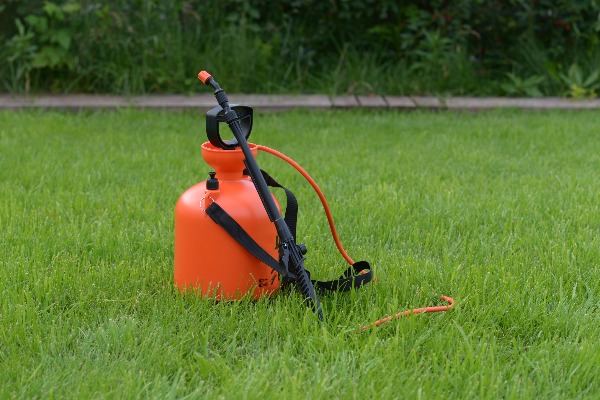
One fertilizer treatment may give your lawn a temporary boost in color, but a truly healthy and resilient lawn depends on a consistent fertilization program. Most lawns need more than one fertilization treatment per year because grass requires different nutrients at different stages of growth.
Keep reading to understand why and how multiple treatments help homeowners see long-lasting results when it comes to lawn fertilization.
Grass is a living plant with changing needs throughout the year. Soil nutrients are constantly being used, washed away by rainfall, broken down by microbes, or depleted by regular mowing. When fertilizer is applied once and then forgotten, the lawn quickly returns to relying on whatever nutrients remain in the soil.
Lawns that only receive one treatment are more likely to struggle with uneven color, poor density, slow recovery from damage, and increased weed pressure. Multiple treatments allow nutrients to be replenished gradually, keeping growth steady rather than forcing the lawn into short bursts followed by decline.
One of the biggest reasons fertilization works best as a program is that grass does not grow the same way in every season. Nutrient demand shifts as the lawn transitions between active growth, stress periods, and recovery phases.
In spring, grass focuses on blade growth and root expansion after winter dormancy. Nitrogen helps drive this early green-up, but too much at once can cause excessive top growth and weak roots. However, these needs are not the same through the changing seasons. A fertilization program accounts for these seasonal changes, applying the right nutrients at the right time instead of guessing with a single, broad application.
Professional fertilization programs rely heavily on slow-release fertilizers, which are designed to feed the lawn gradually over several weeks. While slow-release products are highly effective, they still don’t last forever. Once their nutrient supply is exhausted, the lawn needs replenishment to maintain healthy growth.
Spacing treatments properly ensure that nutrients are available when the lawn needs them most without overwhelming the grass or the soil. This approach minimizes nutrient runoff, reduces the risk of fertilizer burn, and promotes consistent color and growth. Rather than seeing dramatic spikes and crashes in lawn health, homeowners benefit from a steady, predictable improvement over time.
A major benefit of ongoing fertilization that often gets overlooked is soil improvement. Healthy soil is the foundation of a healthy lawn, and repeated, balanced fertilizer applications help support beneficial microbial activity underground. These microorganisms play a key role in breaking down organic matter and converting nutrients into forms grass roots can absorb.
When fertilization is done properly throughout the year, soil structure improves, nutrient availability becomes more balanced, and grass roots grow deeper and stronger. This makes the lawn more drought-tolerant, more resistant to disease, and better able to recover from foot traffic or mowing stress. A one-time application simply can’t deliver these cumulative soil benefits.
While fertilizer doesn’t directly kill weeds, a properly fertilized lawn is naturally better at resisting them. Thick, dense turf leaves fewer open spaces for weeds to establish, while strong root systems help grass outcompete invasive plants for water and nutrients.
Lawns that receive only one fertilizer treatment often experience uneven growth, thinning areas, and bare spots, all of which create ideal conditions for weeds. A fertilization program supports consistent density throughout the growing season, reducing the likelihood that weeds will gain a foothold. This is one reason fertilization is often paired with weed control services as part of a comprehensive lawn care plan.
Skipping fertilization or relying on a single annual treatment doesn’t usually cause immediate failure, but the long-term effects become noticeable over time. Grass may lose color faster, grow more slowly, or struggle to recover from stress. Root systems remain shallow, making the lawn more dependent on frequent watering and more vulnerable during heat waves or drought.
Over several seasons, lawns without a fertilization program often thin out, develop compacted soil issues, and become more susceptible to disease and insect damage. Repairing these problems later typically costs more than maintaining consistent fertilization from the start.
Professional lawn fertilization programs are designed around soil conditions, grass type, climate, and seasonal growth patterns. Instead of applying the same fertilizer every time, professionals adjust nutrient blends and application timing to match what the lawn actually needs.
These programs also ensure proper application rates, preventing over-fertilization that can damage grass or under-fertilization that delivers disappointing results. Over time, a professional program builds lawn health gradually and sustainably, producing better color, thicker turf, and fewer recurring problems than sporadic DIY treatments.
Major Benefits:
While every lawn is different, most healthy fertilization programs include several treatments spaced throughout the growing season. These treatments work together to support early growth, sustain the lawn through stressful periods, and strengthen roots before dormancy.
The exact number of applications depends on factors such as grass type, soil quality, climate, and the homeowner’s expectations. What matters most is consistency, as each treatment builds on the last, creating results that simply can’t be achieved with a single application.
Q: How many times per year should I fertilize my lawn?
A: Most lawns benefit from multiple treatments per year, typically spread across the growing season to support different growth stages.
Q: Can I just fertilize once in spring?
A: A single spring application may improve color temporarily, but it won’t provide the sustained nutrition needed for long-term lawn health.
Q: Does more fertilizer mean faster results?
A: Not necessarily. Over-fertilizing can harm grass and soil. Proper timing and balanced nutrients matter more than quantity.
Q: Is fertilization still needed if my lawn looks healthy?
A: Yes. Fertilization helps maintain health, prevent future problems, and strengthen the lawn against stress even when it already looks good.
Q: Do different grass types need different fertilization schedules?
A: Absolutely. Cool-season and warm-season grasses have different growth cycles and nutrient demands.
Q: Is professional fertilization better than DIY?
A: Professional programs typically deliver more consistent, long-term results because they are customized to soil conditions, grass type, and seasonal needs.

How To Tell The Difference Between Lawn Disease & Drought Damage
Damage from lawn diseases looks similar to drought damage on your grass, but knowing how to spot the differences allows you to treat the problem correctly.
Learn MoreHow Lawn Mowing Can Affect Lawn Pest Problems
This blog post explores the connection between lawn mowing and pest problems in your lawn so you can keep your turf pest-free after cutting the grass.
Learn MoreThe Pros & Cons Of DIY Lawn Fertilization
Applying fertilizer to your own lawn could end up doing more harm than good if you don't know what you're doing. Come learn more in this blog post!
Learn More
Looking for a reliable lawn care company or someone who provides a quality pest control program? Look no further because here at Holmes, we are your lawn and pest experts. You’re happy or it’s free guaranteed.