Last Updated:
May 25, 2026
Many homeowners try DIY pest control sprays as a way to save money and quickly deal with insects around the home. Over-the-counter products may seem convenient, but professional pest control services often provide more reliable and longer-lasting results.
Professional pest management focuses on identifying the source of infestations, using targeted treatments, and preventing future problems rather than simply killing visible pests. DIY sprays may offer temporary relief, but this post will explore why professional pest control can often be the more effective and cost-efficient solution over time.
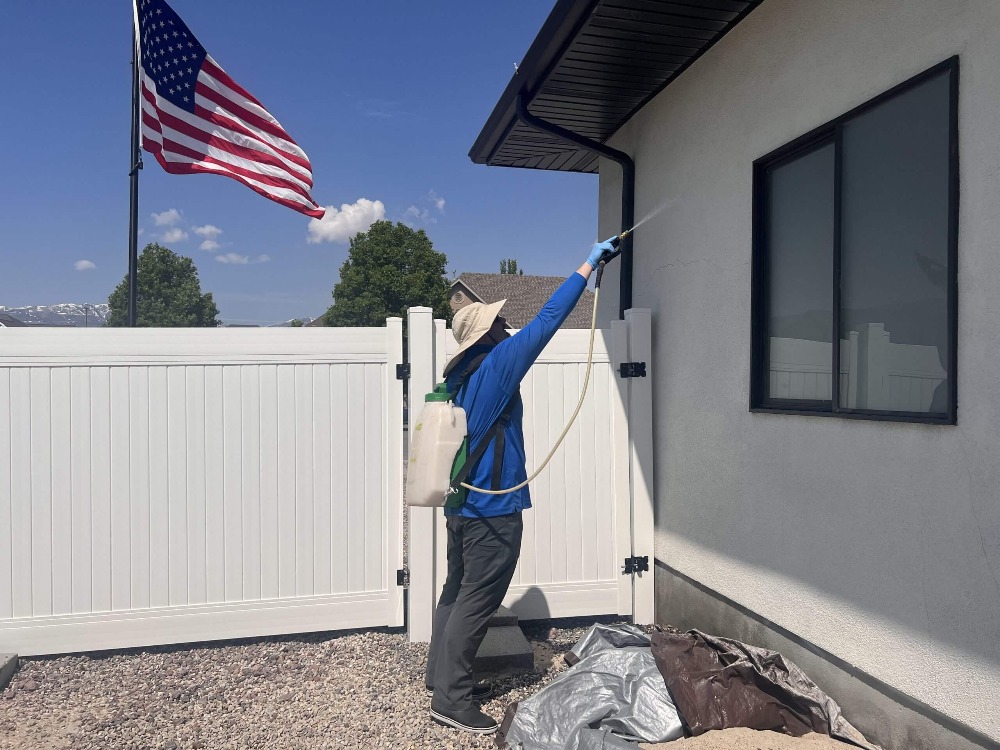
Professional pest control companies bring experience, specialized products, and comprehensive treatment plans that most homeowners cannot easily replicate on their own. Trained technicians understand pest behavior, know where insects hide and breed, and can customize treatments for specific infestations. Rather than applying a general spray and hoping for results, professionals use targeted methods designed to eliminate pests at every stage of their life cycle.
Routine professional pest control can also reduce the likelihood of recurring infestations. By identifying entry points, moisture issues, and environmental conditions that attract pests, technicians help create long-term protection for the home. Scheduled treatments also ensure problems are addressed before they become severe, saving homeowners frustration and potential property damage.
Benefits of professional pest control:
Using DIY pest sprays can be appealing because they are inexpensive upfront and readily available at most stores. Homeowners can apply products immediately when they notice ants, spiders, roaches, or other pests, which provides a sense of control over the situation. DIY treatments may work reasonably well for minor or isolated pest problems, particularly when infestations are caught early.
However, DIY sprays often only address the pests that are visible at the time of application. Many insects nest inside walls, beneath flooring, or in hidden outdoor areas that are difficult to reach without professional tools and experience. Improper application can also reduce effectiveness or create safety concerns for children, pets, and beneficial insects. In some cases, repeated use of store-bought products can even cause pests to spread into new areas of the home.
Key considerations for DIY pest sprays include:
Professional pest control often involves much more than simply applying pesticides. Many services include preventative measures and inspections that help protect both the home and the health of its occupants. These proactive steps can reduce structural damage, contamination risks, and recurring infestations.
Deciding whether to hire a professional or handle pest control yourself depends on the severity of the infestation, your budget, and your comfort level with treatment products. DIY sprays may be suitable for occasional minor pest sightings, but recurring infestations often require professional intervention to fully resolve the problem.
For homeowners dealing with persistent pests, larger infestations, or potentially dangerous insects, professional pest control is typically the more dependable option. Those who prefer a hands-on approach and are dealing with small, isolated issues may still find DIY methods useful if products are applied carefully and consistently.
Whether using professional pest services or applying DIY treatments, there are several important practices that can help reduce pest activity and support better results around your property:
Q: Is professional pest control worth the extra cost?
A: Yes. Professional pest control often provides longer-lasting results, targeted treatments, and preventative strategies that reduce the likelihood of recurring infestations. Many homeowners find the convenience and effectiveness worth the investment.
Q: Can DIY sprays eliminate pests completely?
A: DIY sprays may reduce visible pest activity temporarily, but they often fail to eliminate nests, colonies, or hidden infestations. Severe or recurring pest problems usually require professional treatment.
Q: How often should professional pest control treatments be scheduled?
A: Many homeowners schedule quarterly treatments for preventative protection, though frequency may vary depending on pest pressure, climate, and the type of infestation being treated.
Q: Are professional pest control treatments safer than DIY sprays?
A: In many cases, yes. Licensed professionals are trained to apply products properly and safely while minimizing unnecessary exposure to people, pets, and the environment.
Q: Will DIY pest control save money long-term?
A: DIY methods may reduce short-term costs for small problems, but repeated infestations and ongoing purchases of sprays and traps can become expensive over time. Professional treatments often provide more lasting value.
Q: Can professional pest control help prevent future infestations?
A: Yes. Professional services commonly include inspections, exclusion recommendations, and preventative treatments that help stop pests from returning in the future.

How To Tell The Difference Between Lawn Disease & Drought Damage
Damage from lawn diseases looks similar to drought damage on your grass, but knowing how to spot the differences allows you to treat the problem correctly.
Learn MoreHow Lawn Mowing Can Affect Lawn Pest Problems
This blog post explores the connection between lawn mowing and pest problems in your lawn so you can keep your turf pest-free after cutting the grass.
Learn MoreThe Pros & Cons Of DIY Lawn Fertilization
Applying fertilizer to your own lawn could end up doing more harm than good if you don't know what you're doing. Come learn more in this blog post!
Learn More
Looking for a reliable lawn care company or someone who provides a quality pest control program? Look no further because here at Holmes, we are your lawn and pest experts. You’re happy or it’s free guaranteed.